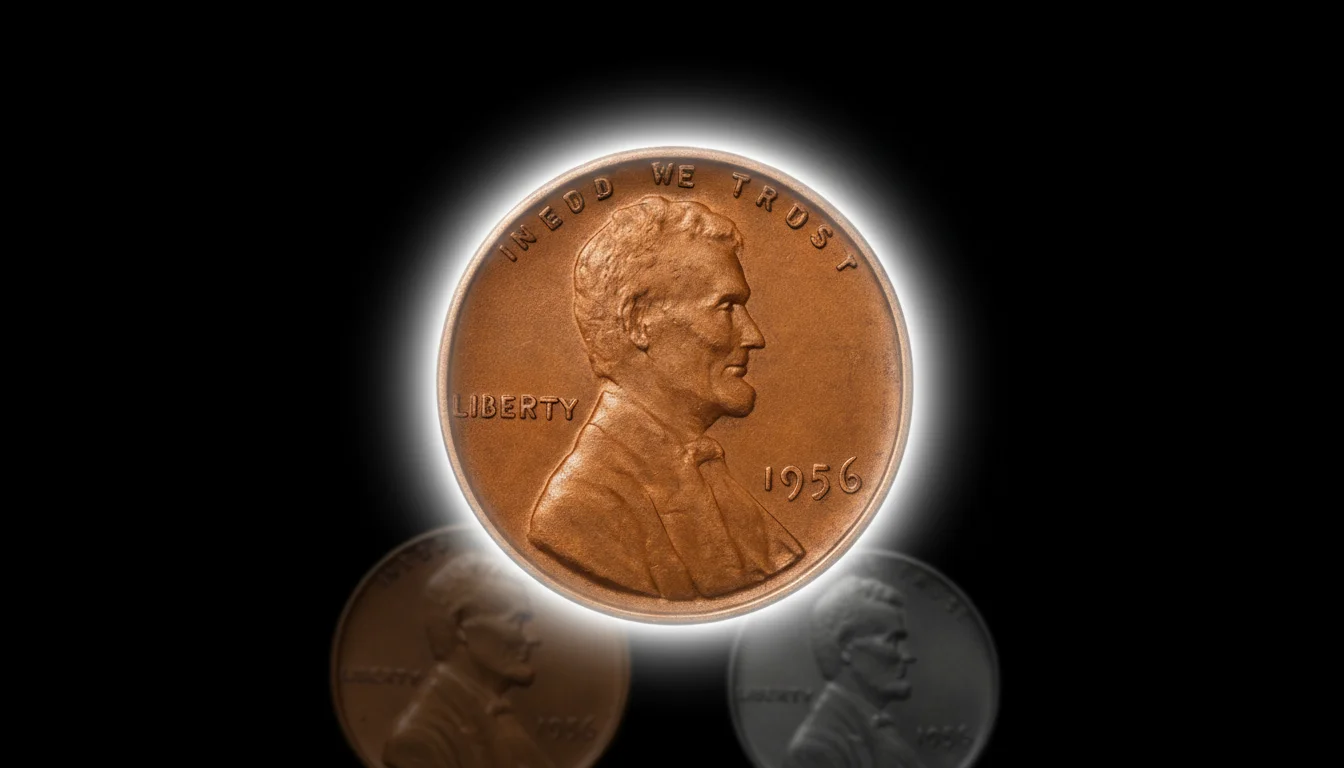
The Value of Wheat Pennies In Past 10 Years – A Dream Guide
Wheat pennies have always held a special place in the world of coin collecting. These coins, produced from 1909 to 1958, are not only important pieces of American history but also favorites among beginners and experienced collectors. Over the past ten years, the value of wheat pennies has changed in interesting ways. Some coins have steadily grown in price, while rare varieties have reached impressive amounts at auctions.
This guide explains how wheat penny values have shifted during the last decade, what makes certain pieces more valuable, and what collectors should look for when building their collection. The language is simple, the explanations are clear, and the goal is to help you understand how these classic coins continue to remain popular.
The wheat penny, also known as the Lincoln Wheat Cent, features Abraham Lincoln on the front and two wheat stalks on the back. For many collectors, it is the coin that started their interest in numismatics. These coins are easy to find, affordable for beginners, and exciting because certain versions can be surprisingly valuable.
In the past ten years, the coin market has seen steady demand for wheat pennies. Even though most of them are common, the value trend shows that people still appreciate their historical charm. Rare dates, mint errors, and high-grade examples continue to climb in price.
Why Wheat Pennies Remain Popular
Several factors keep wheat pennies in demand:
-
They represent an important part of American coin history.
-
New collectors often begin with pennies because they are easy to understand.
-
Many people enjoy searching through old jars or inherited collections.
-
Rare and special varieties still bring strong prices.
Despite their age, wheat pennies are still widely available, which helps maintain interest in them year after year.
How Wheat Penny Values Changed in the Past 10 Years
From 2015 to 2025, wheat penny values have seen small but steady growth. Regular dates in average condition may still sell for a few cents to a dollar, while higher-grade and rare pieces often show stronger increases. Collectors have paid rising prices for key dates, proof coins, and error coins.
Below are some general trends observed over the last decade:
-
Common wheat pennies have remained affordable.
-
Key dates like 1909-S VDB, 1914-D, and 1931-S increased steadily.
-
High-grade coins with sharp details saw strong demand.
-
Error coins gained more attention as collectors became more knowledgeable.
Overview Table
| Wheat Penny Type | Past 10-Year Trend | Typical Value Range |
|---|---|---|
| Common Dates (1909–1958) | Stable prices | A few cents to $1 |
| Key Dates | Growing demand | $50 to several thousand |
| Mint Errors | Strong interest | $20 to thousands |
| High-Grade Certified | Steady rise | $50 to $500+ |
| 1909-S VDB | Consistent growth | Hundreds to thousands |
Key Factors That Increased Wheat Penny Values
Rarity
Coins with low mintage numbers or those that survived in small quantities are more valuable. Over the past ten years, key dates have seen steady increases because collectors always demand them.
Condition
Well-preserved coins with clear details and no major damage are worth more. Many older wheat pennies in high grade are rare, so their values continue to rise.
Errors and Varieties
Coins with double dies, off-center strikes, or other errors have become extremely popular. As more collectors learn about errors, demand has grown.
Silver and Metal Market Influence
Even though wheat pennies are not silver, shifts in the metal market often push collectors to seek older coins, which helps boost overall demand.
Online Collecting Trends
Online auctions, coin groups, and digital marketplaces have expanded the collector community. As more people trade coins online, prices naturally increase for popular items like wheat pennies.
Examples of Wheat Pennies That Rose in Value
1909-S VDB
One of the most famous pennies, this coin has seen consistent increases due to its limited mintage and strong demand.
1914-D
Well-known among collectors, this penny continues to rise in value, especially in high grades.
1931-S
A low mintage coin that has shown gradual price growth over the past decade.
1955 Doubled Die
An iconic error coin with very strong collector interest.
Uncirculated Wheat Pennies
Coins with no wear, especially those certified by grading services, have shown better price growth than circulated ones.
What Collectors Should Look for Today
To understand wheat penny values in the present market, collectors should focus on:
-
Sharp details and original color
-
Clear mint marks
-
Well-documented varieties
-
Proper storage and preservation
-
Professional grading for expensive pieces
Small signs like doubling in letters, off-center strikes, or unusual dates can make a big difference in price.
Final Verdict
Over the past ten years, wheat pennies have remained steady favorites in coin collecting. While common coins may not have seen large increases, the overall market continues to grow, especially for rare dates, error coins, and high-grade examples.
For collectors, wheat pennies represent an affordable and enjoyable way to explore history. Whether you are a beginner or someone expanding a long-term collection, these coins offer both sentimental and financial value. With steady demand and continued interest, wheat pennies remain a dream find for many collectors.
FAQs
1. Are wheat pennies still valuable today?
Yes, many wheat pennies hold value, especially rare dates, error coins, and coins in high grade.
2. What makes a wheat penny rare?
Low mintage numbers, unique errors, or limited surviving examples make a penny rare.
3. How much is a common wheat penny worth?
Most common dates are worth a few cents to one dollar, depending on condition.
4. Should wheat pennies be cleaned before selling?
No, cleaning coins can reduce their value. It is better to leave them in natural condition.
5. Can wheat pennies increase in value in the future?
Yes, rare and high-grade wheat pennies may continue to rise in value as collector interest stays strong.